Space Coloring Pages for Kids
A Designer’s First Glance: Whimsy, Clarity, and Embroidery Readiness
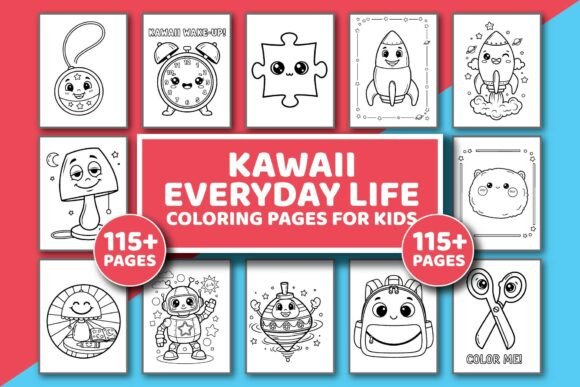
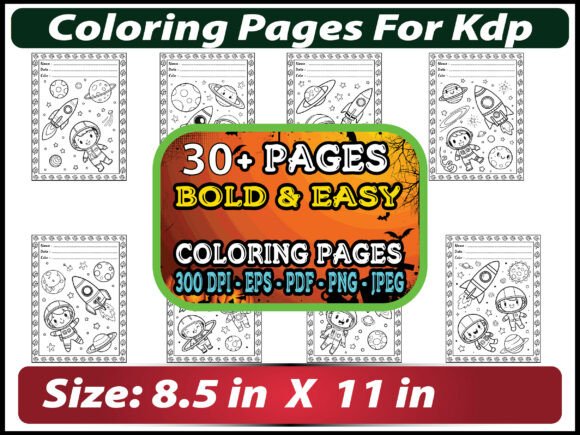
When I opened the Space Coloring Pages for Kids zip folder—Ai, EPS, and SVG files neatly included—I wasn’t looking for “cute.” I was scanning for stitchability. As someone who turns digital graphics into embroidered reality daily, my first question is always: *Will this hold up under needle and thread?* The answer, after printing a test A4 sheet and tracing key elements onto muslin, is a cautious yes—with caveats. These aren’t line-art doodles meant only for crayons. They’re clean, high-resolution outlines with intentional spacing, consistent stroke weight, and generous negative space between planets, rockets, and stars. That breathing room matters. It means less risk of fill-stitch bleeding on thin cotton or satin-stitch distortion on curved seams.
Real-World Use: From Tote Bag to Nursery Pillow
Last week, I prepped a custom embroidered tote for a local preschool teacher—her request: “Something space-themed, but not too busy, and soft enough for 4-year-olds to carry.” I pulled Space Coloring Pages for Kids, selected the rocket + three-star layout, resized it to 4.2″ wide, and digitized it as a low-density fill + outline combo. Why that combo? Because the original lines have gentle curves—not sharp corners—that translate beautifully into running stitch borders and airy fill areas. On the finished tote, the design felt playful but polished. Parents commented on how “clear” and “easy to recognize” it was—even from across the playground. That’s not accidental. Good coloring pages are designed for young eyes; good embroidery designs must be legible at arm’s length. This set bridges both.
Where It Shines (and Where It Needs Care)
- Custom apparel: Works well on sweatshirts and tees—especially when simplified to one central motif (e.g., the astronaut helmet). Avoid cramming all 12 pages onto one garment. Choose one strong focal shape.
- Baby items & nursery decor: The rounded edges and friendly scale suit onesies, pillow covers, and wall hangings. Just skip fine details like tiny star dots if stitching for preemie sizes or ultra-soft bamboo blends.
- Embroidered patches: Clean outlines make excellent patch foundations. Pair with simple appliqué backing—no dense satin borders needed unless you want bold contrast.
- Holiday & gift embroidery: Great for back-to-school or birthday gifts. The theme feels timeless, not seasonal—so it won’t date your Etsy listings by October.
- Small hoop constraints: Most individual elements fit comfortably in a 4″ x 4″ hoop. But avoid combining more than two medium-sized objects (e.g., planet + rocket) without testing stitch path flow.
Fabric & Function: What You Must Test Before Cutting Thread
Not all fabrics forgive line-heavy designs equally. On textured canvas (like tea towels), the outlines stayed crisp—but I added a light tear-away stabilizer underneath to prevent puckering. On stretchy jersey for a toddler tee? I reduced stitch density by 15% and used cut-away + topping. The result held, but the fine dashed-line stars blurred slightly. Lesson: Space Coloring Pages for Kids leans toward stable, medium-weight fabrics—cotton poplin, twill, denim, linen-blend aprons—not knits or silk. Also, dark fabric demands extra attention: run a black-and-white mockup first. Some interior scissor-skill lines (yes, those Easter-themed interior details mentioned in the description) are subtle. They’ll vanish on navy unless you boost contrast with white underlay or switch to a bolder outline stitch.
Design Integrity in Handmade Contexts
As an Etsy seller and craft fair vendor, I judge design assets by how they reflect on *my* brand—not just their technical specs. Space Coloring Pages for Kids feels cohesive, not clip-art-generic. The rocket has personality; the moon has texture hints—not photorealism, but suggestion. That subtlety elevates handmade presentation. Customers notice when a design doesn’t look “dragged from Google Images.” It builds trust. And because the files are vector-based (Ai/EPS/SVG), I can scale confidently for large pillow backs or tiny cap brims—no pixelation, no redraws. That flexibility directly supports product value: one purchase fuels multiple SKUs.
Practical Designer Notes Before You Stitch
- Test on scrap fabric *first*—especially if using textured or dark materials.
- Check thread color contrast early. Light gray thread on light fabric? Rethink.
- Review stitch density manually. High-res coloring pages don’t auto-translate to optimal embroidery density.
- Confirm hoop size compatibility. Resize thoughtfully—don’t stretch proportions.
- Inspect small details (e.g., window lines on the rocket) at actual stitch scale. If they’re under 1mm, simplify or omit.
- Run black-and-white mockups. See what reads—and what disappears.
- Use appropriate stabilizer: cut-away for knits, tear-away for stable wovens, topping for napped fabrics.
- Verify licensing terms before selling finished embroidered goods or reselling digitized versions. The listing mentions Graphics and Coloring Pages Amp category—confirm commercial use rights apply to your intended output.
Final Thought: A Quietly Versatile Asset
Space Coloring Pages for Kids isn’t flashy. It won’t dominate your homepage banner. But in the quiet moments—when you’re stitching a baby’s first starry blanket, prepping 20 personalized camp totes, or building a cohesive nursery-themed collection—it delivers consistency, clarity, and craft-friendly structure. It respects the hand behind the machine. And for small shop owners, Etsy sellers, and embroidery designers who value reliability over novelty, that’s not just practical. It’s professional.