Simple Flower Coloring Pages for Kids
A Designer’s First Look: Bold, Friendly, and Surprisingly Versatile
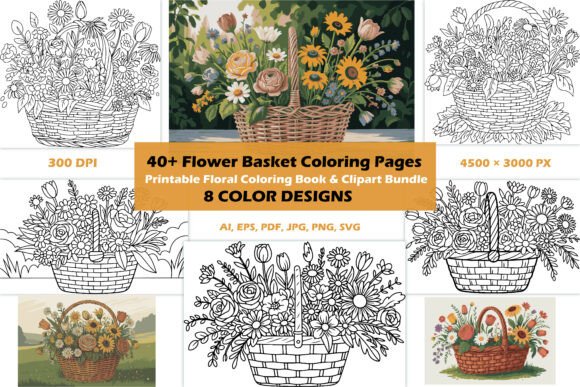
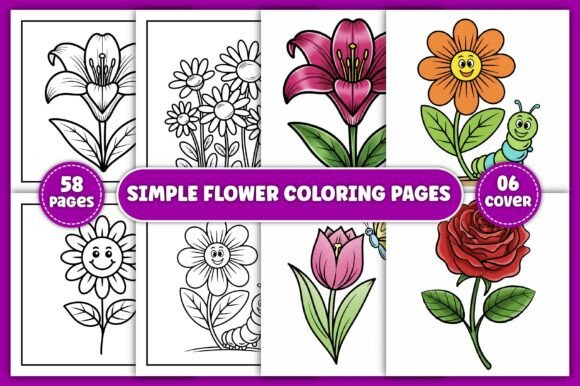
When I opened Simple Flower Coloring Pages for Kids, my first thought wasn’t “cute” — it was “clear.” The bold outlines and open shapes immediately read as confident, not childish. As someone who regularly adapts graphics for machine embroidery design, I appreciate how little visual noise there is here. No fine crosshatching, no tangled stems, no tiny petals competing for attention. Just clean, friendly florals — daisies, tulips, sunflowers — drawn with purpose. This isn’t just a coloring page; it’s a smart, low-detail foundation that translates well into stitch without heavy editing.
Real-World Test: Embroidering a Custom Baby Towel Set
Last week, I used one of the smaller flower motifs from Simple Flower Coloring Pages for Kids to embroider a set of organic cotton baby towels for a boutique client. We chose a single daisy motif centered on the corner of each towel — minimal, soft, and unmistakably handmade. Because the original lines are thick and uncluttered, the satin stitch outline held beautifully, even at 2.8" wide. There was no need to thicken strokes or simplify further. Customers responded instantly — not just to the floral theme, but to how *readable* it stayed after stitching. That clarity builds trust: when a design holds up on textured fabric and survives gentle washing, buyers feel confident in your craftsmanship.
Where It Shines (and Where It Needs Care)
Simple Flower Coloring Pages for Kids works exceptionally well for:
- Custom apparel: Sweatshirt fronts, toddler tees, and reversible aprons — especially when paired with subtle fill stitch or running stitch accents.
- Embroidered patches: Its open shapes prevent dense thread buildup, making it ideal for iron-on or sew-on patches on denim jackets or backpacks.
- Baby embroidery: Soft curves and generous negative space reduce stitch density — critical for delicate fabrics like interlock knit or bamboo velour.
- Holiday and nursery decor: Think tea towels, pillow covers, or framed hoop art — where charm and legibility matter more than photorealism.
- Etsy listings and small shop products: As a digital embroidery file or printable mockup asset, it supports cohesive branding across product photos and packaging.
Use caution on:
- Small hoop sizes under 4": Some larger compositions may require repositioning or cropping — always preview at actual size before hooping.
- Stretchy or thin fabric: While the bold lines help, lightweight knits still need cutaway stabilizer and reduced top tension to avoid puckering.
- Dark fabric backgrounds: Test thread colors carefully — light pastels can fade visually unless you use high-contrast options like ecru on navy or white on charcoal.
- Curved surfaces like caps: Avoid stem-heavy versions; opt for compact, rounded blooms (like the clover or potted tulip) that adapt better to crown curvature.
- Frequent-wash items: Confirm stitch density and underlay — simple doesn’t mean sparse. A light fill stitch inside petals adds durability without sacrificing simplicity.
Design Integrity Meets Commercial Practicality
What sets Simple Flower Coloring Pages for Kids apart from generic clipart isn’t just its preschool-friendly theme — it’s how thoughtfully the shapes support real-world production. As a craft business owner, I’ve seen too many “cute” designs fall apart mid-stitch: tangled stems, overlapping loops, or micro-details that vanish under thread. This collection avoids all that. Each flower has breathing room. Stems are weighty enough to anchor satin stitch without distortion. Petal count is consistent and intentional — never arbitrary. That kind of restraint makes it easier to maintain brand consistency across embroidered tote bags, personalized gifts, and boutique merchandise.
For Etsy sellers and handmade shop owners, this matters deeply. A clean, confident design elevates perceived value — even on an affordable item like a kitchen towel. Buyers notice when a floral motif reads clearly from six feet away, or when a baby onesie feels special because the embroidery looks intentional, not rushed. That’s professionalism communicated through stitch choice, placement, and source material.
Practical Designer Notes Before You Stitch
Before committing to a client project or bulk production:
- Test on scrap fabric first — especially if using textured weaves or blends common in apparel and home goods.
- Review stitch density: Even simple shapes can become dense if converted without adjusting fill angles or spacing.
- Confirm licensing: Since this is categorized under Coloring Pages Amp and labeled Graphics, verify whether commercial use of finished embroidered products or resale of digitized files is permitted.
- Check contrast in black-and-white mockups: Simulate how it will look on dark garments or printed product tags.
- Inspect small details manually: Zoom in on corners and junctions — does the line join cleanly? Will that point translate into smooth satin stitch or require a slight curve adjustment?
- Use proper stabilizer: Medium-weight cutaway works best for most applications, but tear-away suffices for stable woven fabrics like cotton twill or linen-look tea towels.
- Compare light/dark background previews: What reads softly on ivory may disappear on heather gray — adjust thread color accordingly.
In short, Simple Flower Coloring Pages for Kids isn’t just easy to digitize — it’s easy to *trust*. It gives you room to focus on execution, not rescue edits. Whether you’re stitching a holiday gift, building a seasonal collection for your small shop, or creating embroidery project kits for craft fairs, this is the kind of design asset that quietly raises your standard — and your customers’ expectations.